
As a scholar, translator, and practitioner, I have the rare distinction of having published on the best and worst of gender and sexuality in contemporary Buddhist communities practicing Vajrayana traditions.
The Best
My research on the lives and letters of Khandro Tare Lhamo and Namtrul Rinpoche showcase a contemporary tantric couple who strove to heal the “damage of degenerate times” following the Cultural Revolution, which ravaged Tibetan culture and communities under Chinese colonial rule. During their partnership over more than two decades, this couple engaged in authentic tantric practices involving sexuality for the purpose of revealing “treasures” (gter ma), sacred texts and objects understood to be hidden away by founding figures in Tibetan Buddhism, Padmasambhava and Yeshe Tsogyal, for the benefit of future generations in degenerate times. Starting in the 1980s, Khandro Tare Lhamo and Namtrul Rinpoche traveled and taught together, playing a significant role in revitalizing Buddhist institutions, teachings, and practices in the post-Mao area in Golok, a nomadic region in eastern Tibet.
My main publications on this eminent couple from Golok are a 2016 monograph and 2019 set of translations of their life stories and love letters, plus an article focused on the literary dimensions of their courtship and correspondence in the History of Religions journal:
- Love Letters from Golok: A Tantric Couple in Modern Tibet (Columbia University Press, 2016)
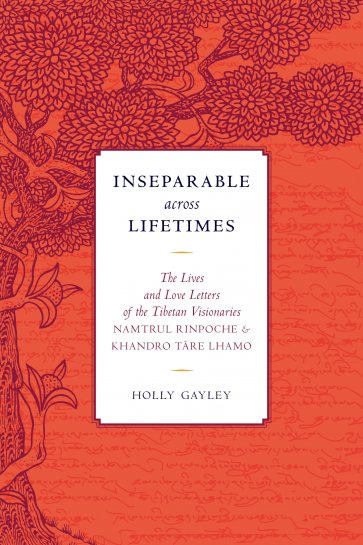
- Inseparable Across Lifetimes: The Lives and Love Letters of Namtrul Rinpoche and Khandro Tare Lhamo (Snow Lion Publications, 2019)
- “The Love Letters of a Buddhist Tantric Couple: Reflections on Poetic Style and Epistolary Intimacy,” History of Religions 56.03 (2017)
Both/And
As the #MeToo movement was underway, I wrote an article that examined whether the consort relationship (heterosexually conceived) is empowering or exploitative to women. I tried to complicate this question, first raised by feminist scholars in the 1990s, by showing the variety of experiences women have had across spatial and temporal distances from Tibet to North America during the 20th-21st centuries. The article came out as my own Buddhist community was plunged into chaos from a sexual abuse crisis, just weeks before allegations of its lineage holder surfaced.
- “Revisiting the Secret Consort (gsang yum) in Tibetan Buddhism,” Religions 9.6 (June 2018)
The Worst
More recently, I’ve examined the devastating issue of sexual abuse in contemporary Vajrayana communities in two main publications. The first is a recent autoethnographic essay on the sexual abuse crisis within the global Shambhala community. The second is an article co-authored with Somtso Bhum on literary depictions of sexual abuse by “fake lamas” in contemporary Tibetan fiction.
- “The Arc of a Crisis: In the Aftermath of Sexual Abuse in Shambhala Buddhism,” Religion (October 2025) – free access for 3-6 months
- “Parody and Pathos: Sexual Transgression by ‘Fake’ Lamas in Tibetan Short Stories,” co-authored with Somtso Bhum. Revue d’Etudes Tibétaines 63 (April 2022)
I have also woven a discussion of sexual abuse into two other co-authored writings in 2024:
- “Tibetan Buddhism in America,” co-authored with Joshua Brallier, in the Oxford Handbook of American Buddhism
- Introduction to Longing to Awaken: Buddhist Devotion in Tibetan Poetry and Song, co-authored with Dominique Townsend (University of Virginia Press)
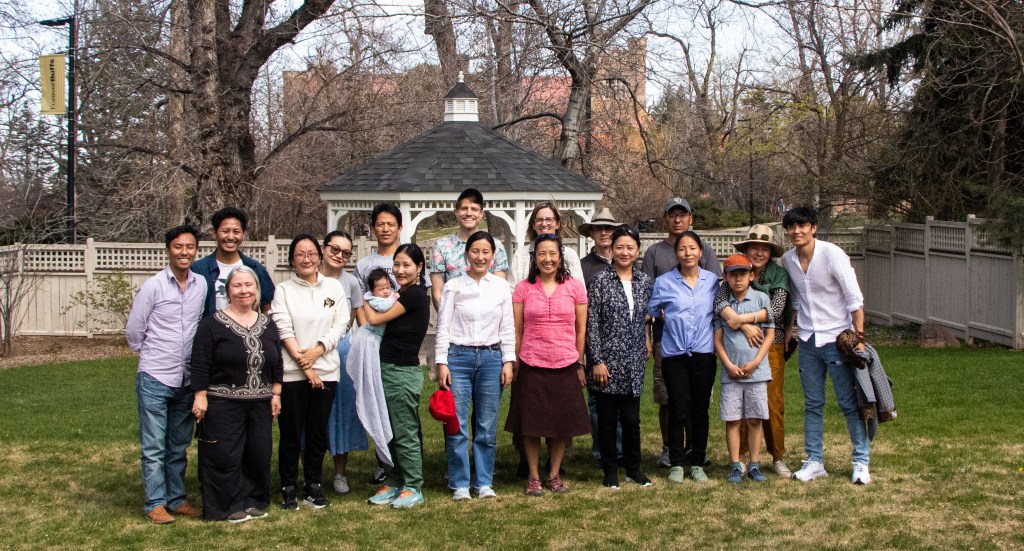

 Awarded the Kayden Translation Award at CU Boulder.
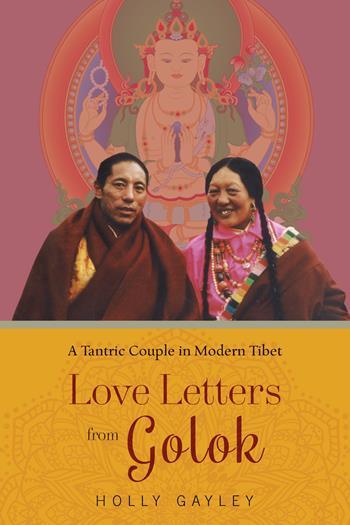 The paperback is now out for Love Letters from Golok: A Tantric Couple in Modern Tibet, which chronicles the lives and letters of
 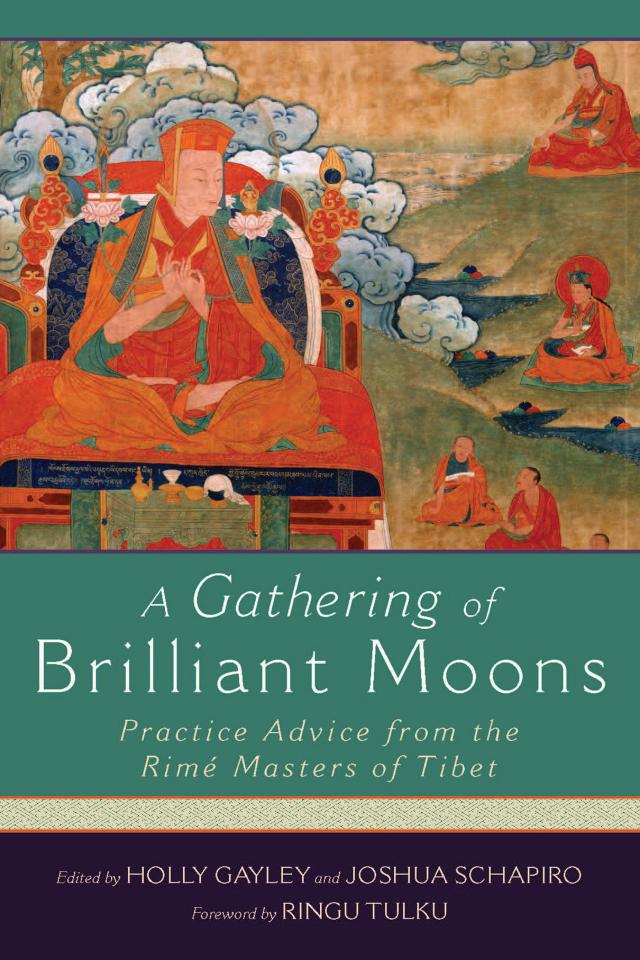 Pithy works of advice on meditation practice can often be difficult to find in translation. Just published by Wisdom,
  HOLLY GAYLEY